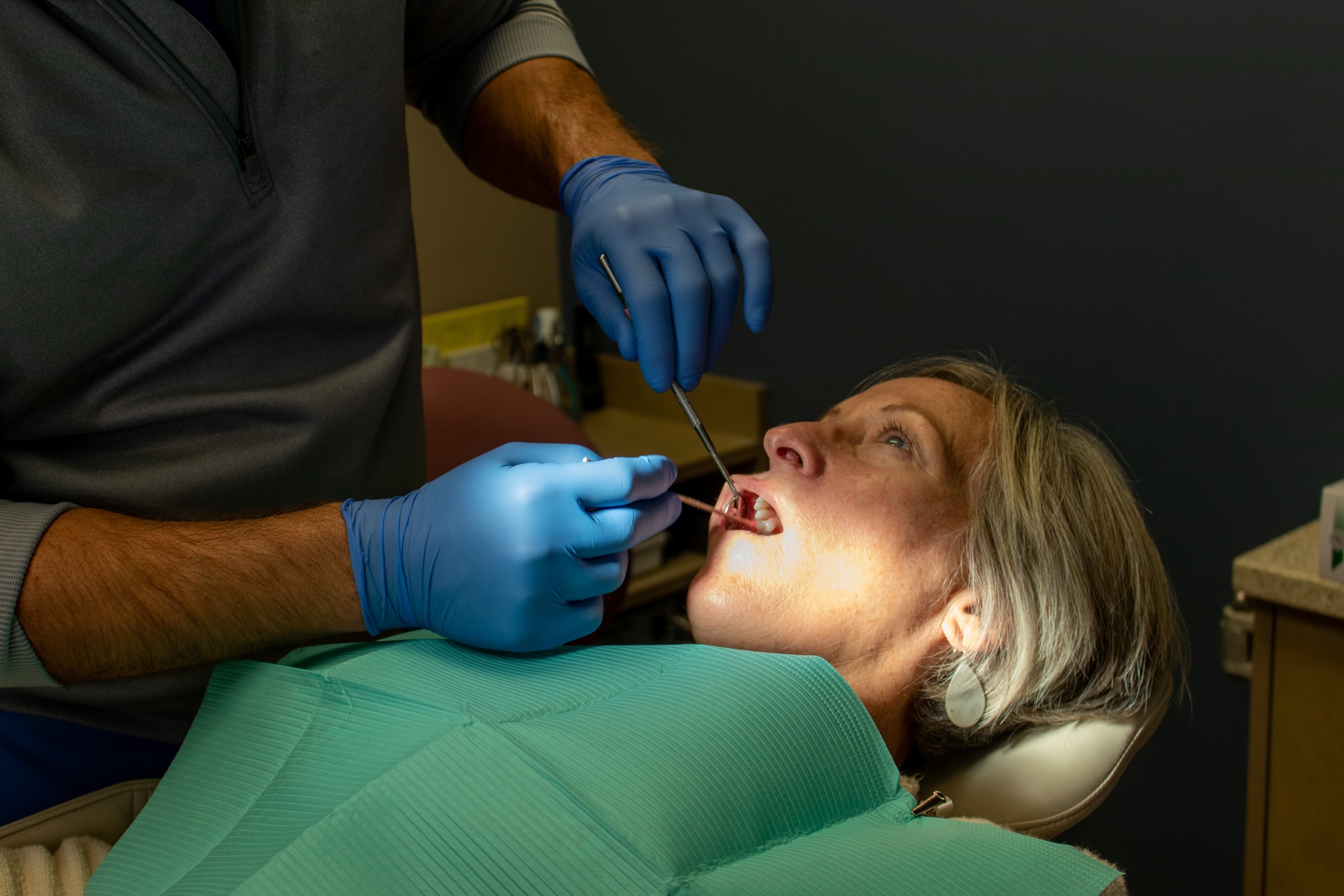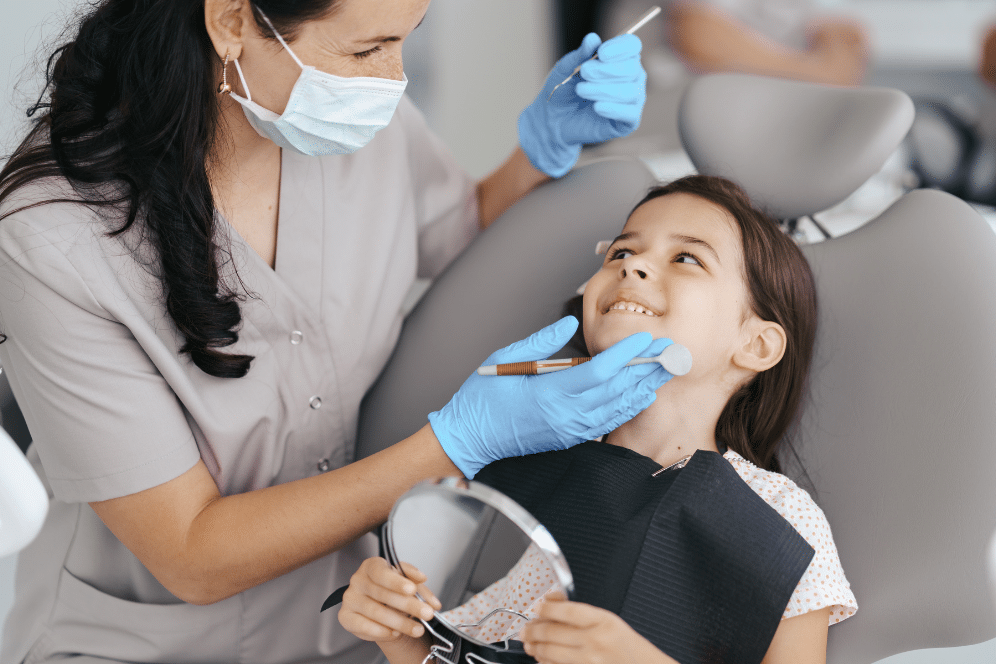
The first dental appointment shapes how a child feels about dental care for a long time. That’s not an overstatement. Kids who have a calm, positive first visit tend to come back without a fight. Kids who arrive already anxious, or who sense anxiety from a parent, often develop a wariness that can stick around well into adulthood.
The good news is that the first visit is almost always straightforward. What happens in the days leading up to it has more influence over how it goes than most parents expect.
When Should the First Visit Happen?
The general recommendation from dental organizations is that a child’s first dental appointment should happen around the time the first tooth comes in, usually somewhere between six and twelve months of age, or by their first birthday at the latest.
That timeline surprises a lot of parents. The assumption is often that dental visits start when kids have a full set of teeth or when they’re old enough to cooperate. But early visits serve a different purpose than a full examination. They give the Winnipeg dentist a chance to check that development is on track, identify any early concerns, and familiarize the child with the dental environment while they’re still young enough that it’s just a normal part of life rather than something new and intimidating.
For children who have already passed that window, the advice is simple: book now. The longer the first visit is delayed, the more time there is for a child to develop apprehension about something they’ve never experienced.
Talk About It Before You Go
One of the most common mistakes parents make is either saying nothing about the appointment until the day of, or, with the best intentions, going too far in the other direction: “Don’t worry, it won’t hurt at all!” Both approaches can backfire.
Saying nothing leaves kids to fill in the gaps with imagination, which is rarely reassuring. Over-promising about pain can undermine a child’s trust if the visit is even slightly uncomfortable.
A more useful approach is to describe the visit in simple, factual terms. “We’re going to meet the dentist. They’re going to look at your teeth with a special light and count them. You’ll get to sit in a big chair that goes up and down.” Matter-of-fact and specific is more calming than vague reassurance.
Avoid using words like “needle,” “drill,” “hurt,” or “pull” in the lead-up. Dental teams use child-friendly language to describe instruments and procedures, and it helps if parents do the same.
Play Dentist at Home
Children learn through play, and a few minutes of dentist roleplay at home can take a lot of the mystery out of the appointment. Take turns being the dentist and the patient. Use a flashlight to look inside each other’s mouths. Count teeth. Let your child practice lying back while you gently look at their teeth.
This kind of familiarity means that when the dentist does the same thing in the chair, it’s not new or alarming. It’s something they’ve already done.
Watch Your Own Reactions
Children pick up on parental anxiety more reliably than most parents realize. If you tense up when you talk about the dentist, or if you frame the visit as something to get through, your child will read that. Your own relationship with dental care influences how your child starts to feel about it.
If you do have dental anxiety yourself, it’s worth being conscious of how you talk about the appointment. Keep it neutral and practical. “We’re going to the dentist today” carries a lot less weight than “I know it’s not fun, but we have to go.”
The Day of the Appointment
Timing matters. Book morning appointments where possible. Children are generally less tired, less hungry, and more cooperative in the morning than late in the afternoon. Bring a comfort item if your child has one. Don’t rush out of the house in a stressful scramble.
After the appointment, acknowledge whatever your child did well. Keep it proportional, but positive. The goal is to reinforce that going to the dentist is a normal part of taking care of themselves, not something to be dreaded.
What to Expect at Crestwood Dental
At Crestwood Dental in Winnipeg, Dr. Rykiss and the team have worked with children since the practice opened in 1998. The clinic is designed to feel calm and welcoming, and appointments are never rushed. For nervous children, the team is experienced in taking things at a pace that works for the child rather than pushing through.
The children’s dentistry page on the Crestwood Dental website has more information about what’s involved in a pediatric appointment. If you have questions before booking, the team is happy to talk through what to expect. You can also review insurance and billing information before your visit.
Crestwood Dental | Winnipeg Dentist
Crestwood Dental is at 3393 Portage Ave, Winnipeg, MB. Call 204-896-5888 to book your child’s first appointment with Dr. Rykiss. New patients are welcome, and the clinic accepts assignment of dental benefits where your plan allows, as well as the Canadian Dental Care Plan (CDCP).