Many people feel that if their teeth look fine and there is no pain, a dental visit can wait. Busy schedules, work commitments, and daily responsibilities often push routine dental appointments to the bottom of the priority list. However, skipping professional dental cleanings can lead to a range of oral health issues that may become more serious over time.
Regular cleanings are not only about keeping your smile bright, but they also play an essential role in preventing dental problems before they become complicated or costly. A trusted dentist in Winnipeg will often emphasize preventive care because small issues are much easier to manage when caught early.
Understanding what happens when cleanings are skipped can help patients appreciate the long-term value of maintaining routine dental visits.
Why Professional Dental Cleanings Matter
Brushing and flossing at home are essential habits for maintaining oral health. However, even with excellent daily care, certain areas of the mouth can still collect plaque and bacteria.
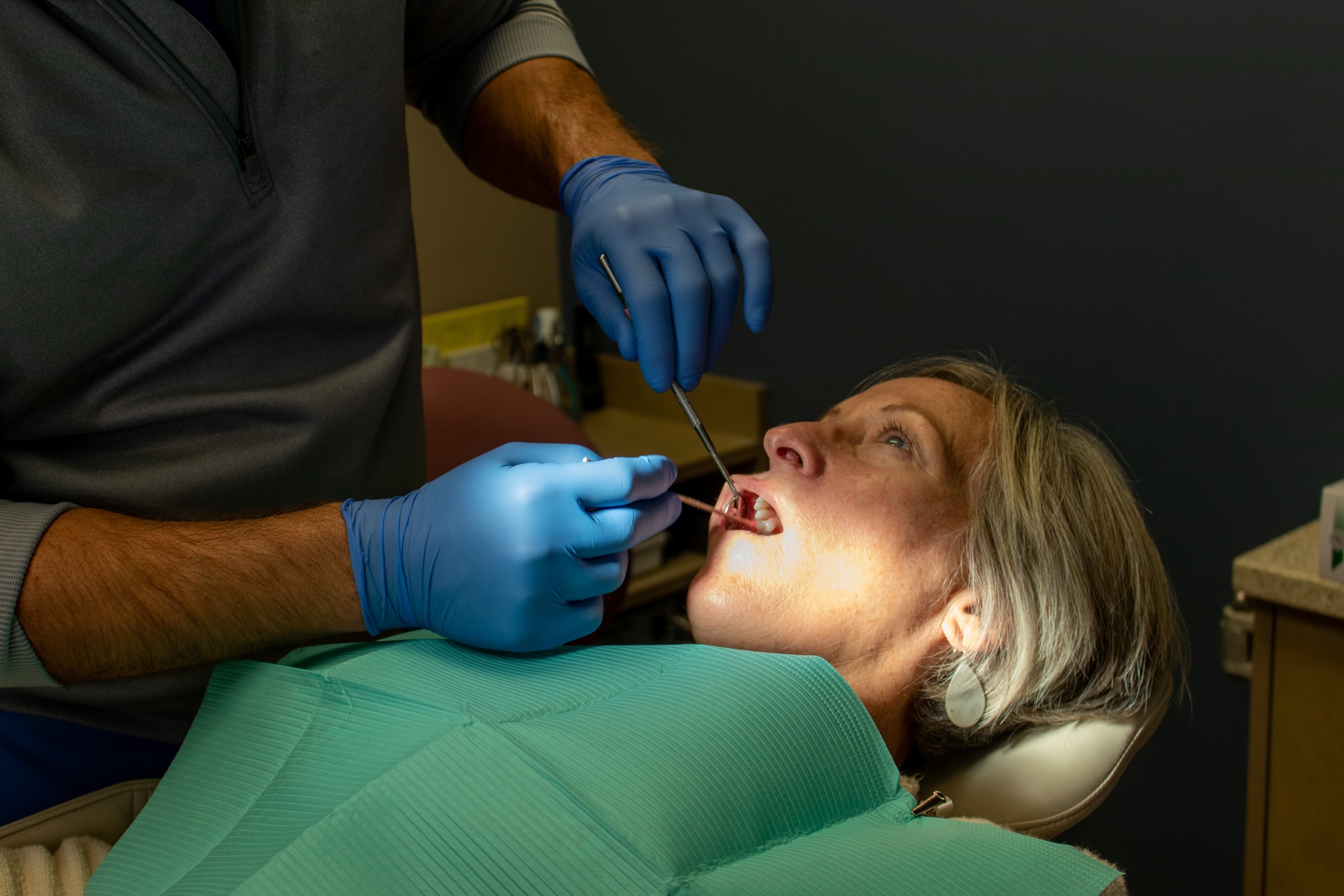
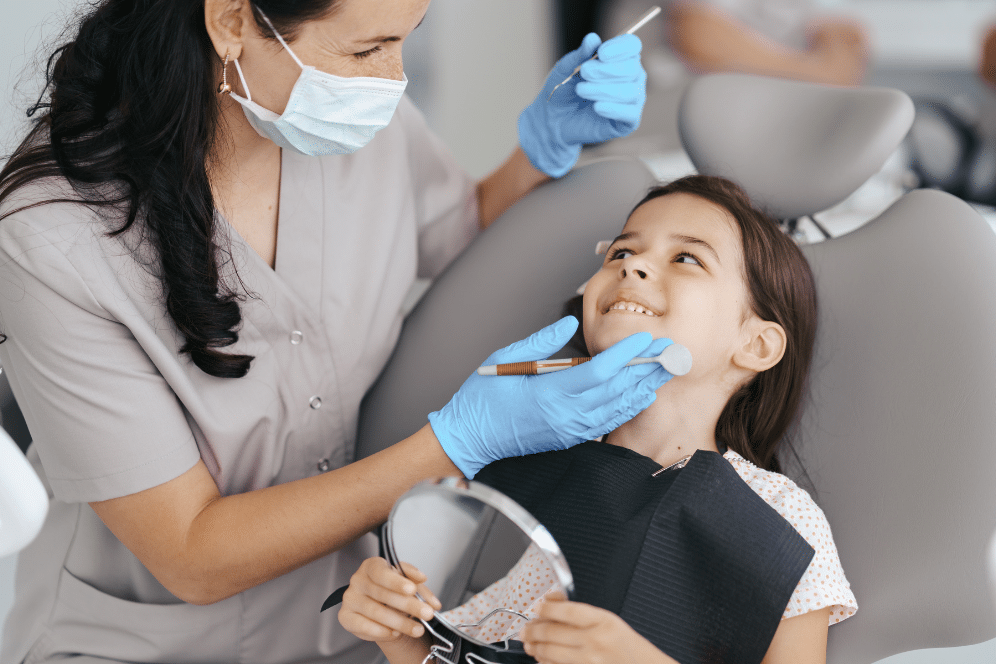
Professional Dental Cleaning in Winnipeg removes hardened deposits that cannot be eliminated with a toothbrush alone. Dental hygienists use specialized tools to gently clean along the gumline and between teeth where buildup commonly forms.
Routine cleanings also allow the dental team to monitor changes in your oral health and detect early signs of potential concerns.
What Happens When Cleanings Are Delayed?
Skipping dental cleanings occasionally may not cause immediate problems, but over time plaque and bacteria begin to accumulate. The longer this buildup remains on the teeth, the more likely it is to affect both the gums and the supporting structures of the teeth.
Below is a closer look at how oral health can gradually change when cleanings are postponed.
Plaque Turns Into Tartar
Plaque is a soft, sticky film made up of bacteria and food particles. It forms naturally on teeth throughout the day. When plaque is not removed regularly, it begins to harden and becomes tartar.
Unlike plaque, tartar cannot be removed with brushing or flossing. It attaches firmly to the surface of the teeth and often develops near the gumline. Over time, this buildup creates an ideal environment for bacteria to grow.
Professional cleanings help remove tartar safely before it leads to further problems.
Gum Irritation and Inflammation
As tartar accumulates along the gums, the surrounding tissue may become irritated. The gums may appear red, swollen, or tender, and they may bleed when brushing or flossing.
These early signs are often associated with gingivitis, the first stage of gum disease. At this point, the condition is typically reversible with proper dental care and improved oral hygiene.
A routine visit with a dentist in Winnipeg can help identify gingivitis early and prevent it from progressing.
Increased Risk of Gum Disease
When gum inflammation is left untreated, it may develop into a more advanced condition known as periodontitis. In this stage, bacteria can begin affecting the deeper structures that support the teeth.
This may lead to:
- Receding gums
- Persistent bad breath
- Sensitivity around the gumline
- Gradual loosening of teeth
Regular professional cleanings are one of the most effective ways to reduce the risk of gum disease and protect long-term oral health.
Higher Risk of Cavities
Plaque contains bacteria that produce acids when they interact with sugars in food and beverages. These acids can gradually weaken the enamel that protects your teeth.
Over time, this process may lead to cavities. Without routine dental visits, cavities may go unnoticed until they become larger and require more extensive treatment.
Preventive care, such as Dental Cleaning in Winnipeg, helps reduce the buildup of plaque and supports stronger enamel.
Staining and Discoloration
Teeth are exposed daily to foods and drinks that can cause surface stains. Coffee, tea, red wine, and certain foods may gradually affect the brightness of your smile.
When plaque and tartar accumulate, stains tend to appear more noticeable. Professional cleanings help remove these deposits and polish the teeth, contributing to a fresher and healthier appearance.
Persistent Bad Breath
Bad breath can sometimes be linked to plaque buildup and bacteria along the gumline. When cleanings are skipped, these bacteria may continue to multiply.
Routine dental visits help address the underlying causes of bad breath by removing the buildup that contributes to it.
The Long-Term Financial Impact
One of the lesser-known consequences of skipping preventive care is the potential financial impact. While dental cleanings are generally simple preventive procedures, untreated dental issues may require more complex treatments later.
For example, untreated cavities may eventually require fillings, crowns, or other restorative treatments. Gum disease can also require specialized care if it progresses.
Regular preventive care often helps patients avoid these larger treatments by identifying concerns early.
Early Detection of Dental Problems
Another important benefit of professional cleanings is the opportunity for early detection. During routine visits, dental professionals evaluate the condition of your teeth, gums, and overall oral health.
These checkups may reveal early signs of:
- Cavities
- Gum inflammation
- Tooth wear
- Changes in oral tissues
Detecting these concerns early allows your dentist to recommend appropriate care before they become more complex.
How Often Should Dental Cleanings Be Scheduled?
For many patients, dental professionals recommend professional cleanings approximately every six months. However, the ideal schedule may vary depending on individual needs and oral health history.
Patients with certain conditions, such as gum disease or heavy tartar buildup, may benefit from more frequent visits. A dental team can help determine the schedule that best supports your oral health.
Maintaining regular appointments with a dentist in Winnipeg ensures that your teeth and gums receive consistent care and attention.
Supporting Your Smile Between Visits
While professional cleanings are important, daily oral hygiene also plays a major role in maintaining a healthy smile.
Helpful habits include:
- Brushing teeth at least twice daily
- Flossing once per day
- Limiting sugary snacks and beverages
- Drinking plenty of water
- Attending routine dental checkups
These small habits, combined with professional care, help protect teeth and gums over the long term.
Keep Your Smile Healthy with Crestwood Dental
Preventive dental care plays a vital role in protecting your oral health and avoiding more complex treatments later. At Crestwood Dental, our experienced team is dedicated to helping patients maintain healthy smiles through personalized and gentle care.
If it has been a while since your last visit, scheduling a professional Dental Cleaning in Winnipeg can be an important step toward maintaining your oral health. Our team takes the time to make every patient feel comfortable while providing thorough preventive care.
To book your appointment with a trusted dentist in Winnipeg, contact Crestwood Dental at 204-896-5888.
Our team looks forward to helping you keep your smile healthy and confident for years to come.