Most people who grind or clench their teeth do it while they sleep. That’s what makes it tricky. You’re not awake to notice it, and by the time symptoms show up, some wear has already occurred. A night guard won’t undo existing damage, but it does stop things from getting worse, and for many patients, it makes a noticeable difference in how they feel day to day.
If you’ve been wondering whether a night guard in Winnipeg might be worth looking into, these eight signs are worth knowing about.
1. You Wake Up With Jaw Pain or Soreness
The muscles that control jaw movement are some of the hardest-working muscles in the body. When they’re clenching repeatedly throughout the night, they’re essentially exercising for hours without rest. The result is often a dull ache or stiffness in the jaw when you first wake up, similar to how your legs might feel after a long run.
This kind of morning jaw soreness is one of the more consistent indicators of nighttime grinding or clenching. It tends to ease as the day goes on, which is why many people dismiss it. If it’s happening regularly, that pattern is worth mentioning to your dentist.
2. Frequent Morning Headaches
The temporalis muscle runs along the side of the skull and plays a major role in jaw clenching. When it’s overworked through the night, tension builds in the head and can produce a dull, pressure-type headache that’s present when you wake up and often fades by mid-morning.
These headaches are commonly misattributed to sleep quality, dehydration, or stress. Any or all of those things may also be factors, but if you notice the headaches are worse right after waking and improve through the day, nighttime grinding could be contributing.
3. Your Teeth Are Visibly Worn or Flattened
Natural tooth enamel is hard, but it has limits. Sustained grinding pressure over months or years will gradually wear down the biting surfaces of the back teeth and sometimes the front teeth. What you may notice is that teeth that were once slightly pointy or uneven now appear flatter.
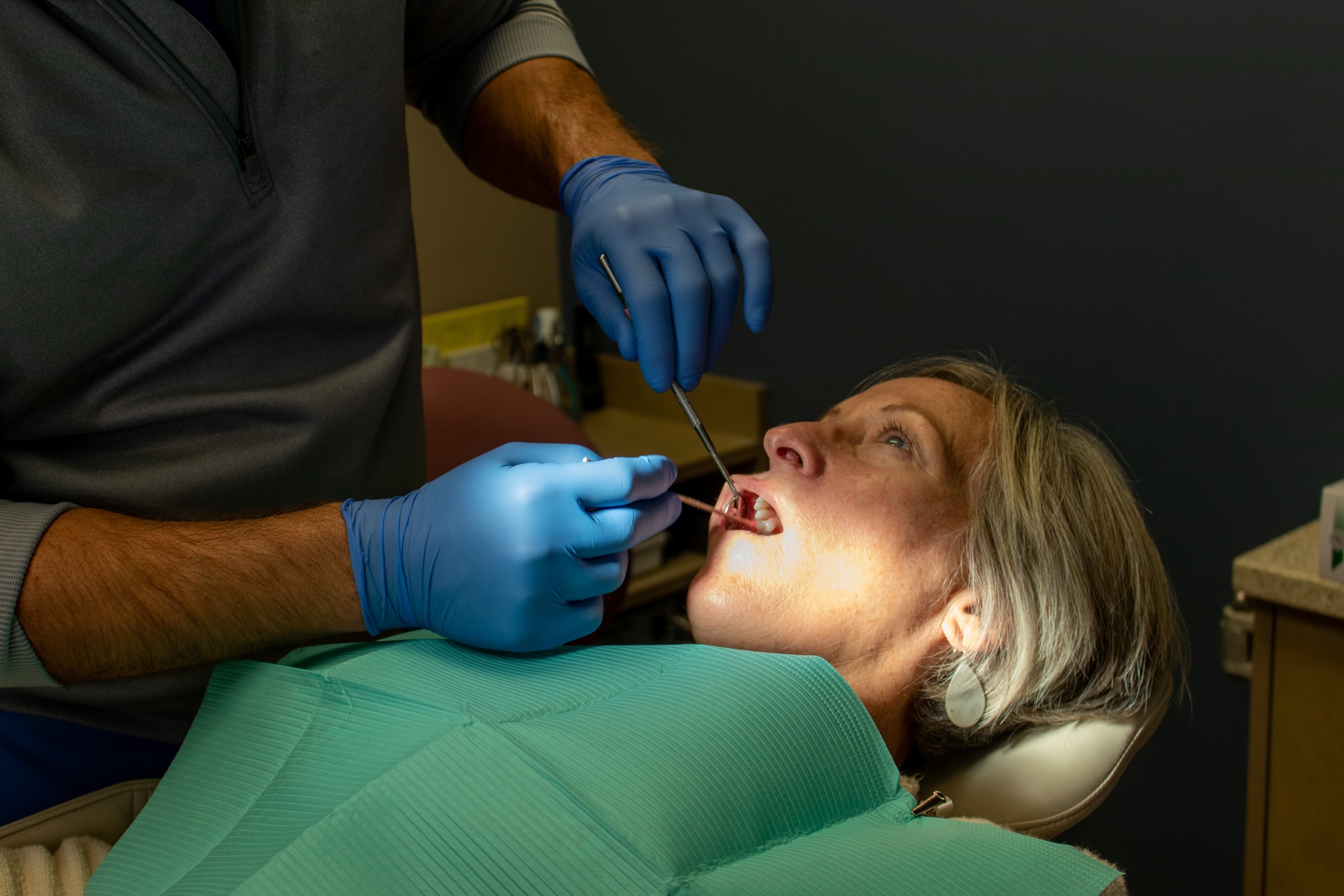
Your dentist can identify wear patterns that aren’t visible to you. During a routine exam, they’ll look at the angles of wear, the thickness of the enamel on biting surfaces, and whether the wear pattern is consistent with grinding. If you haven’t mentioned jaw symptoms, your dentist may bring up the wear first.
4. Increased Tooth Sensitivity
Enamel protects the sensitive inner layers of the tooth. As enamel wears away from grinding, the dentinal tubules closer to the nerve become more exposed. You may notice teeth becoming more sensitive to cold drinks, sweet foods, or temperature changes that didn’t bother you before.
This type of sensitivity is different from a cavity-related ache. It tends to be brief and sharp, triggered by a stimulus rather than lingering. If it’s appearing across multiple teeth at once, that pattern is worth discussing with your dentist in Winnipeg.
5. Your Partner Has Mentioned Grinding Sounds at Night
Bruxism, the clinical term for tooth grinding, can produce an audible sound when the teeth move against each other. It’s not universal, and not all grinding produces noise, but when it does, it’s often a bed partner who notices first.
If someone has mentioned hearing grinding or clicking sounds while you sleep, that’s a reliable external observation that warrants a dental check. Even if you’ve never noticed any symptoms yourself, your teeth may already be showing signs of wear.
6. Jaw Clicking or Popping
The temporomandibular joint (TMJ) connects the jaw to the skull. Sustained clenching and grinding put repeated pressure on this joint and the surrounding muscles and cartilage. Over time, this can lead to clicking, popping, or a catching sensation when you open or close your mouth.
Not all TMJ symptoms are caused by grinding, and not all grinding leads to TMJ problems. But the two frequently occur together. If you’ve noticed jaw noise along with any of the other signs on this list, a thorough assessment is a reasonable next step. Crestwood Dental offers evaluation for jaw-related concerns as part of their dental services in Winnipeg.
7. Chipped or Cracked Teeth Without an Obvious Cause
Teeth can chip from biting into hard food or from impact, but grinding creates a different kind of stress. The repeated lateral forces generated during grinding can cause small fractures in tooth enamel that aren’t always immediately visible. Over time, these develop into more noticeable chips or cracks, sometimes in teeth that haven’t been injured in any obvious way.
If your dentist has noted cracked or chipped teeth without a clear cause, grinding is often the working explanation. A night guard reduces the pressure and lateral movement that lead to these fractures.
8. You’re Under Significant Stress
Bruxism has a well-established connection to stress and anxiety. People under sustained psychological pressure tend to clench and grind more frequently, both during the day and at night. This doesn’t mean stress alone causes bruxism, but it’s a recognized contributing factor.
If your stress levels have increased recently and you’ve noticed one or more of the other signs listed here, the timing may not be coincidental. A night guard addresses the physical impact on the teeth and jaw, while managing the stress itself requires its own separate attention.
What a Custom Night Guard Involves
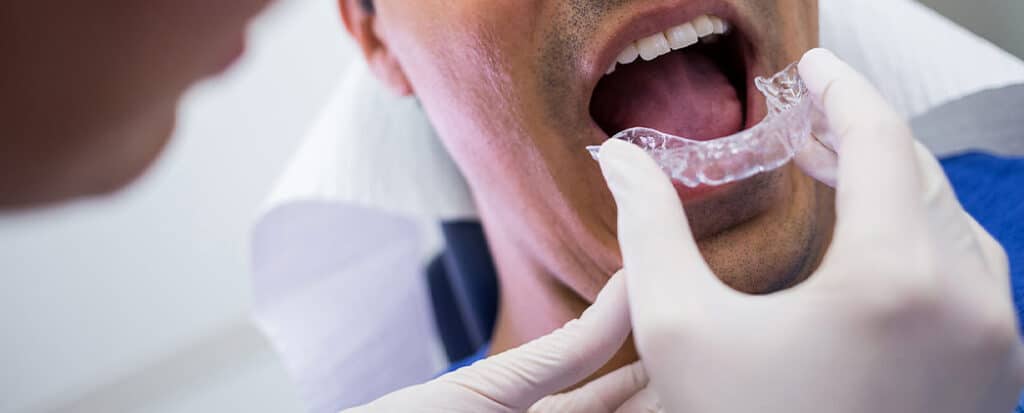
A night guard from your dentist fits differently from an over-the-counter option bought at a pharmacy. Custom guards are made from an impression of your actual teeth and are fabricated to fit the specific contours of your bite. They’re more comfortable to wear and more effective at distributing pressure evenly across the bite surface.
The process at Crestwood Dental involves taking impressions at one appointment, with the finished guard ready for fitting at a follow-up visit. Dr. Rykiss will also examine for any existing wear or damage and discuss whether additional treatment is needed alongside the guard.
About Crestwood Dental
Crestwood Dental has been serving patients in the Westwood, Crestview, and wider Winnipeg community since 1998. Dr. Matthew Rykiss brings over ten years of practice experience and a focus on gentle, thorough care. The clinic accepts the Canadian Dental Care Plan (CDCP) and offers assignment of dental benefits where plans allow.
Book Your Appointment at Crestwood Dental in Winnipeg
If you’re noticing any of these signs and want to find out whether a night guard is a good fit for your situation, Crestwood Dental is accepting new patients at 3393 Portage Ave, Winnipeg.
Call (204) 896-5888 to book your appointment.
- Book a night guard consultation at Crestwood Dental in Winnipeg
- Call us to discuss jaw soreness, grinding symptoms, or bite concerns
- Schedule an exam with Dr. Rykiss at our Portage Ave location
- Contact Crestwood Dental to ask about CDCP coverage for dental services
- Request your new patient appointment at Crestwood Dental today