Dental implants are one of the more durable ways to replace a missing tooth, but they’re not a universal fit. They require adequate bone, reasonable oral health, and a healing process that takes several months. Some patients are clear candidates from the first conversation. Others need to address certain conditions first before implants become a viable option.
If you’ve been thinking about dental implants in Winnipeg and want a clearer sense of whether you might qualify, these seven signs are a useful starting point. A proper assessment with your dentist is the only way to know for certain, but these factors tend to come up consistently in implant candidacy discussions.
1. You Have One or More Missing Teeth
This is the obvious starting point, but it’s worth stating plainly. Implants are designed to replace missing teeth, whether that’s a single tooth, several teeth, or, in some cases, a full arch. If you’re currently living with a gap, wearing a partial denture you find uncomfortable, or missing a tooth that was extracted years ago, implants may be worth exploring.
The longer a tooth has been missing, the more bone loss has typically occurred in that area. This doesn’t automatically disqualify someone from implants, but it does affect the planning process and may require a bone grafting procedure before the implant can be placed.
2. Your Jawbone Has Adequate Density
An implant post is placed directly into the jawbone, which then fuses with the titanium surface through a process called osseointegration. For this to work reliably, there needs to be enough bone height and width at the implant site to support the post securely.
Bone density is assessed through a dental exam and, in many cases, X-rays that give the dentist a view of the bone volume available. If bone loss has occurred due to tooth extraction, gum disease, or the natural resorption that happens after tooth loss, a bone graft may be recommended first. Patients with sufficient existing bone are generally considered strong candidates.
3. Your Gums Are Healthy
Gum disease affects the tissue and bone that surround the teeth. Active periodontal disease at an implant site creates a significantly higher risk of implant failure because the infection can spread to the bone on which the implant depends for support.
Patients with a history of gum disease are not automatically excluded from implants, but any active disease needs to be brought under control first. If your gums bleed regularly, if you’ve noticed recession, or if you’ve been told you have gum disease at previous dental appointments, that needs to be addressed before implant treatment begins.
Maintaining healthy gums after implant placement also matters. Crestwood Dental’s hygiene and cleanings appointments are part of the long-term maintenance that protects both natural teeth and implants.
4. You’re a Non-Smoker or Willing to Quit During Healing
Smoking has a documented negative effect on implant outcomes. It reduces blood flow to the healing tissues, impairs the body’s immune response at the implant site, and increases the risk of peri-implantitis, an infection around the implant that can lead to bone loss and implant failure.
Patients who smoke are not categorically excluded from implants, but the risk profile is higher and needs to be part of an honest conversation with the dentist. Many clinicians ask patients to stop smoking for a period before and after implant placement to support healing. Patients who are non-smokers or who are prepared to stop during the healing phase are generally better candidates.
5. Your Overall Health Is Stable
Certain systemic health conditions affect how the body heals and whether implants are appropriate. Uncontrolled diabetes, for example, impairs wound healing and increases infection risk. Some medications, including bisphosphonates used for osteoporosis, can affect bone metabolism in ways that may complicate implant placement.
This doesn’t mean patients with health conditions can’t have implants. Many do successfully. It means your overall health history needs to be part of the evaluation, and in some cases, coordination with your physician is appropriate before proceeding. Patients whose health conditions are well-managed are generally considered reasonable candidates.
6. Your Jaw Has Finished Developing
Implants are typically not placed in younger patients whose jawbones are still growing. The bone continues to develop through adolescence, and an implant placed before growth is complete can end up in the wrong position relative to the surrounding teeth as the jaw changes.
For most patients, this means implants are appropriate from the late teens or early twenties onward, once skeletal development is complete. Adults of any age above this threshold who are otherwise healthy are candidates from a development standpoint. There’s no upper age limit for implant candidacy.
7. You’re Looking for a Long-Term Solution
This one is less clinical and more practical, but it matters. Implants require a healing period of several months between post placement and the final crown. The process takes longer than placing a bridge or fitting a partial denture. The upfront cost is also higher, though the long-term durability tends to make the comparison more favourable over time.
Patients who are looking for the most durable available option for tooth replacement and are prepared for the treatment timeline tend to be well-suited for implants. Patients who need something in place quickly or are primarily focused on minimizing short-term cost may be better served by other options, at least initially. Dr. Rykiss can walk you through the comparison between implants, bridges, and dentures at a consultation.
What the Implant Assessment Involves at Crestwood Dental
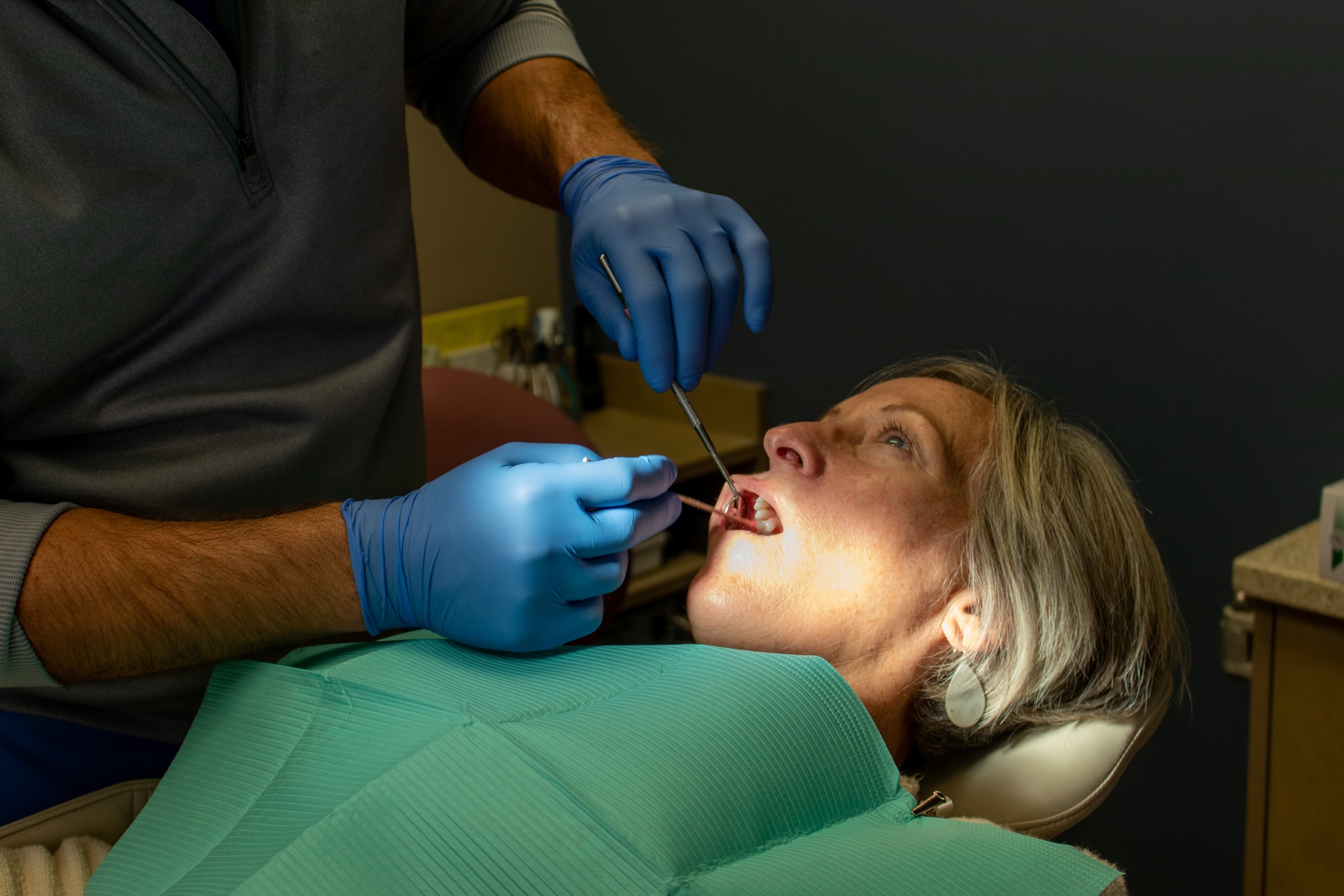
A candidacy assessment for dental implants at Crestwood Dental includes a thorough examination of your existing teeth, gums, and bone structure. Dr. Rykiss will review your medical and dental history and discuss the specific site where the implant would be placed. From there, he’ll give you a clear picture of whether you’re a straightforward candidate, whether any preparatory work is needed first, or whether an alternative approach may suit your situation better.
Crestwood Dental accepts the Canadian Dental Care Plan (CDCP) and offers assignment of dental benefits where plans allow. If you have questions about what your coverage includes for implant treatment, the team can help you work through those details before committing to a plan.
About Crestwood Dental
Crestwood Dental has been caring for patients in Winnipeg since 1998, serving families in the Westwood, Crestview, and surrounding communities. Dr. Matthew Rykiss brings over a decade of practice experience and takes a patient-centred approach to all aspects of general and restorative dentistry.
Book an Implant Consultation at Crestwood Dental in Winnipeg
If you’re missing one or more teeth and want to understand whether implants are a realistic option for your situation, Crestwood Dental is accepting new patients at 3393 Portage Ave, Winnipeg.
Call (204) 896-5888 to schedule your consultation.
- Book a dental implant consultation at Crestwood Dental in Winnipeg
- Call us to discuss your tooth replacement options with Dr. Rykiss
- Schedule an implant assessment at our Portage Ave dental clinic
- Contact Crestwood Dental to ask about CDCP coverage for implant treatment
- Request your new patient exam at Crestwood Dental today