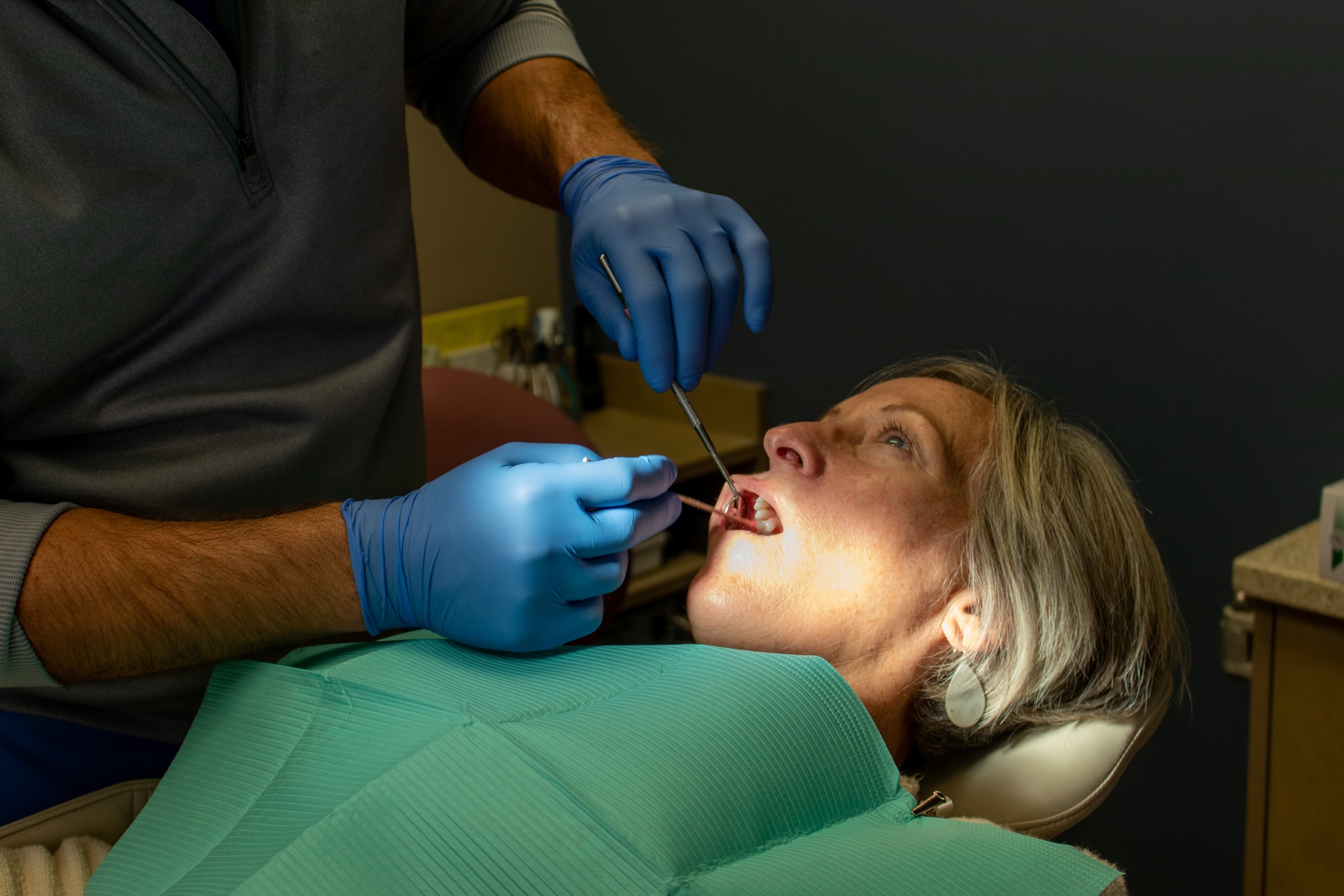
It happens to a lot of people. The hygienist starts scaling, and within a minute, you’re tasting blood. Some patients feel embarrassed. Others assume something went wrong. Most just sit quietly and wonder if this is normal.
It is common. But common doesn’t always mean fine. Bleeding gums during a cleaning are usually a signal worth paying attention to, not ignoring.
Here’s what Dr. Matthew Rykiss and the team at Crestwood Dental in Winnipeg want patients to actually understand about it.
The Most Likely Reason: Gum Inflammation
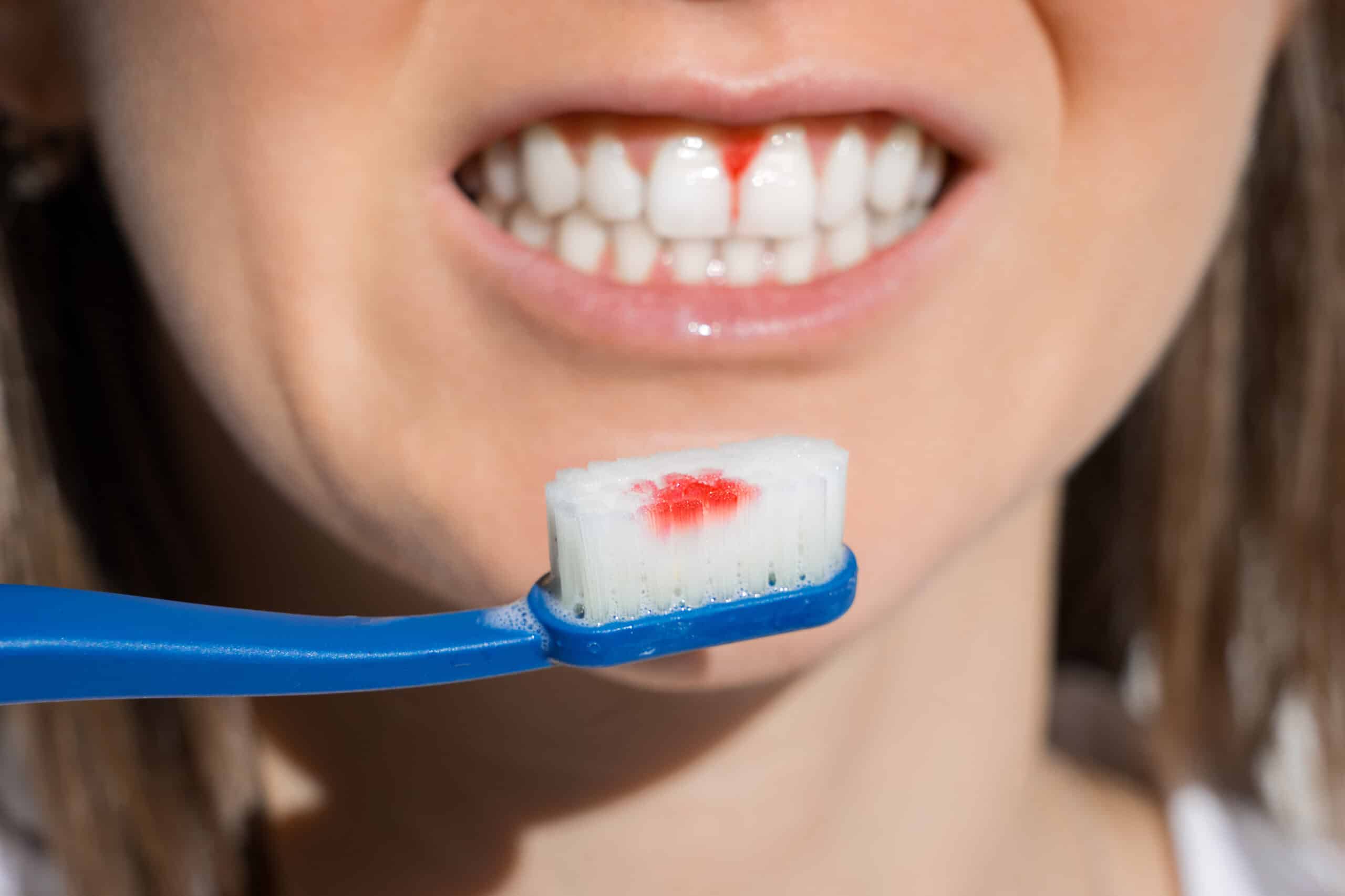
The most frequent cause of bleeding during a cleaning is gingivitis, the early stage of gum disease. When plaque builds up along the gumline and isn’t fully removed through daily brushing and flossing, the gum tissue becomes inflamed. Inflamed gums have increased blood flow and are much more sensitive to contact. Even light pressure from a scaler can cause them to bleed.
The tricky part is that gingivitis usually doesn’t hurt. Most people have no idea their gums are inflamed until a hygienist points it out. That’s one of the reasons regular cleanings matter. They surface problems you can’t feel yet.
What Plaque Has to Do With It
Plaque is a sticky film of bacteria that forms on teeth throughout the day. When it isn’t cleared away consistently, it irritates the gum tissue at the margin where the tooth meets the gum. The body sends more blood to that area as part of its inflammatory response, which is what makes the gums bleed so readily when touched.
If plaque sits long enough, it hardens into tartar, which can’t be removed by brushing at home. Tartar below the gumline creates a chronic irritant that keeps the inflammation going between appointments.
Does Bleeding Always Mean Gum Disease?
Not necessarily. Gingivitis is reversible with proper cleaning and improved home care. It hasn’t yet caused damage to the bone or connective tissue that support the teeth. Periodontitis, the more advanced stage, has. That distinction matters, and it’s something Dr. Rykiss assesses at each visit.
Other Reasons Gums Bleed During Cleanings
Gum inflammation is the most common explanation, but it isn’t the only one.
Infrequent Flossing
If you floss rarely and then start flossing more consistently, your gums will bleed for the first week or two. The tissue is unaccustomed to contact in those areas. This is not a sign of damage. It’s a sign the gums need more regular attention, and the bleeding typically settles down within a couple of weeks of daily flossing.
The same logic applies to dental cleanings. Patients who come in every six months tend to bleed less than patients who wait much longer between appointments. The longer the interval, the more opportunity for plaque and tartar to accumulate.
Medications
Certain medications affect how blood clots or how gum tissue responds to irritation. Blood thinners like warfarin or aspirin are the most well-known examples. Some blood pressure medications and antidepressants can cause gum changes as a side effect. If you’ve started a new medication since your last appointment, let Dr. Rykiss know. It’s relevant clinical information.
Pregnancy
Hormonal shifts during pregnancy increase blood flow to gum tissue and make it more reactive. Bleeding gums during pregnancy are common enough that the condition has its own name: pregnancy gingivitis. It usually resolves after delivery but should still be monitored during the pregnancy.
Vitamin Deficiencies
Low levels of vitamin C or vitamin K can affect how gum tissue holds together and how blood clots. This is less common but worth considering if bleeding seems disproportionate to the amount of plaque present.
What to Tell Your Hygienist
Before your cleaning starts, mention anything that might be relevant: new medications, changes in your health, whether you’ve been flossing consistently, and whether your gums bleed at home when you brush. This gives the hygienist context and helps Dr. Rykiss make a more accurate assessment of what’s going on.
Don’t minimize it. Some patients feel embarrassed and underreport. The team at Crestwood Dental is not there to judge your flossing habits. They need accurate information to give you useful advice.
What You Can Do Between Appointments
The single most effective thing most patients can do is floss daily. Not occasionally. Every day. It disrupts the plaque that accumulates along the gumline and is the one home care habit that most directly reduces gum inflammation over time.
Brushing twice daily with a soft-bristled toothbrush, using a fluoride toothpaste, and staying well hydrated all support gum health. An antibacterial mouthwash can also help in cases of persistent gingivitis, though it works alongside brushing and flossing rather than as a substitute.
If bleeding is happening at home between appointments, not just during cleanings, bring that up at your next visit. Bleeding that occurs spontaneously or regularly during brushing is a stronger indicator that something needs attention.
Book a Cleaning at Crestwood Dental in Winnipeg
Crestwood Dental has been caring for Winnipeg families since 1998 and is currently accepting new patients. If your gums have been bleeding during cleanings or at home, a visit with Dr. Rykiss is a straightforward way to find out what’s behind it and what to do about it.
The clinic accepts CDCP and various insurance plans. Visit the hygiene and cleanings page to learn more, or contact Crestwood Dental to book your appointment with your dentist in Winnipeg.