Losing more than one tooth in the same area changes things quickly. Chewing shifts to one side. Speech can feel slightly off. And the teeth on either side of the gap often start to drift over time, which creates a new set of problems on top of the original one.
A dental bridge is one of the more practical solutions for this situation. But how many missing teeth it can actually replace, and whether it’s the right option for your specific case, depends on a few factors worth understanding before you book a consultation.
How a Dental Bridge Actually Works
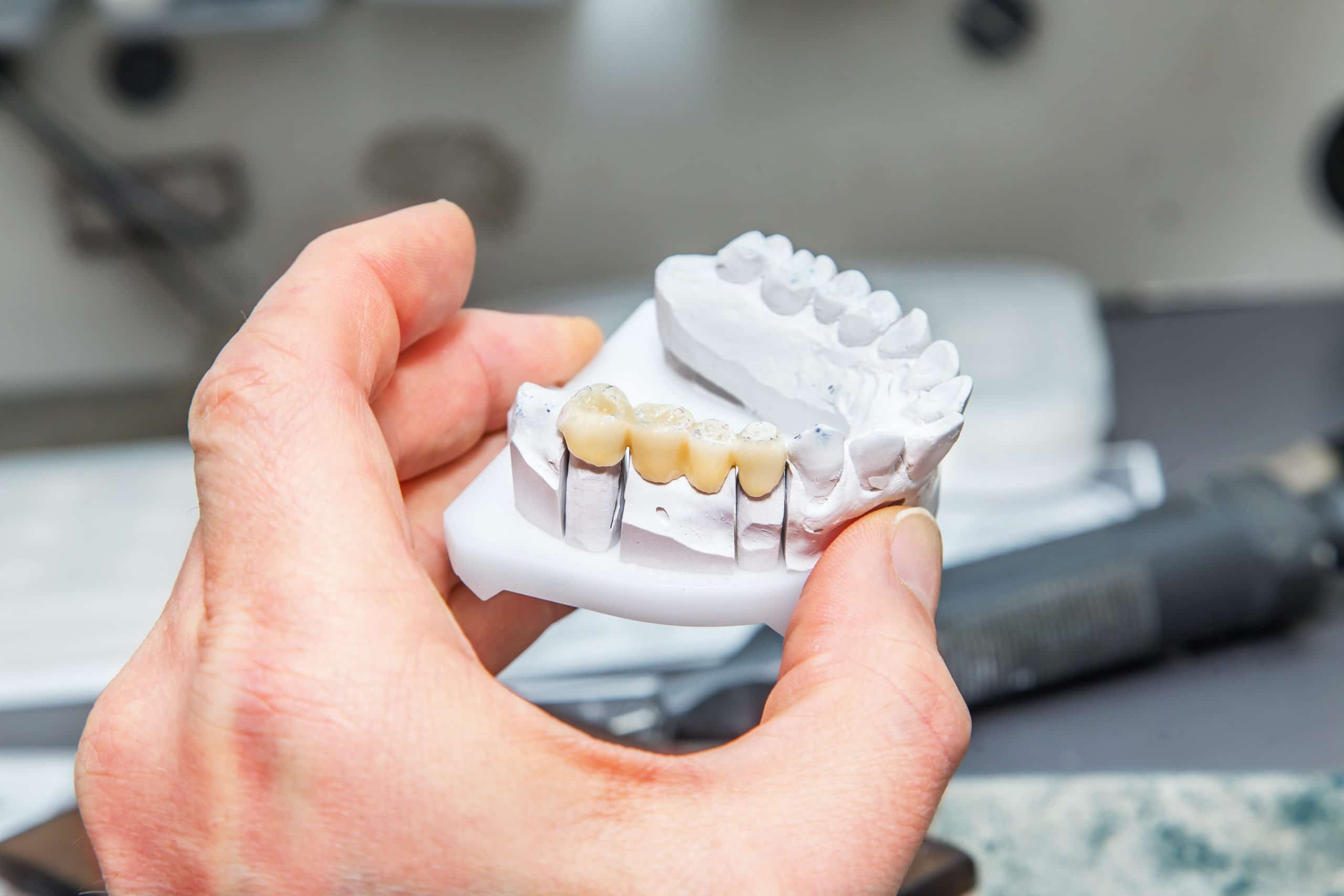
A dental bridge fills the gap left by missing teeth using artificial teeth, called pontics, held in place by crowns on either side. Those crowns are cemented onto the natural teeth or implants that sit on each end of the gap. The result is a fixed restoration that doesn’t come in and out like a denture.
The teeth supporting the bridge on each side are called abutment teeth. They carry the load for the replacement teeth in the middle. This load-bearing relationship is what determines how many missing teeth a bridge can realistically replace.
How Many Teeth Can a Bridge Replace?
A traditional dental bridge can replace one to three missing teeth in a row. Most commonly, it replaces one or two. Replacing three missing teeth with a bridge is possible but requires careful assessment of the abutment teeth because the structural demands are significantly higher.
Beyond three consecutive missing teeth, a bridge becomes less predictable. The span gets longer, the force distribution becomes less balanced, and the abutment teeth carry more stress than they’re built for. In those cases, Dr. Matthew Rykiss at Crestwood Dental will typically discuss whether implants, a partial denture, or an implant-supported bridge makes more structural sense.
The Role of Abutment Teeth
The abutment teeth have to be prepared before the bridge is placed. This involves removing a layer of enamel so the crowns fit properly over them. It’s a permanent change to those teeth, which is an important part of the decision.
If the abutment teeth are already compromised by decay or large fillings, that affects how well they can support the bridge long-term. Dr. Rykiss will assess their health as part of the planning process.
Types of Bridges Available at Crestwood Dental in Winnipeg
Not all bridges use the same design. The right type depends on where the missing teeth are and what’s surrounding the gap.
Traditional Bridge
This is the most common type. Two crowns anchor the pontic or pontics on either side. It’s the standard approach for gaps where healthy, natural teeth sit on both sides.
Cantilever Bridge
A cantilever bridge uses only one abutment tooth instead of two. It’s used when there’s only a natural tooth on one side of the gap. Because the support is asymmetrical, cantilever bridges are generally reserved for lower-stress areas of the mouth.
Implant-Supported Bridge
Instead of relying on natural teeth as anchors, this type uses dental implants on each end. It’s a stronger, more stable option for replacing multiple missing teeth because the implants function as artificial roots in the jawbone. It also means no healthy teeth need to be prepared.
For patients missing several teeth in a row, an implant-supported bridge is often the more durable long-term solution. Crestwood Dental offers dental implants in Winnipeg as part of a broader tooth replacement plan.
What Happens If You Leave the Gap Untreated
This is worth addressing directly because a lot of patients put off tooth replacement longer than they should.
When a tooth is missing, the jawbone underneath it gradually loses density. There’s no root to stimulate it, so the body starts to resorb the bone. This process begins within months of losing a tooth and continues over time. It affects the shape of the face and can make future tooth replacement more complicated.
The neighbouring teeth also tend to shift into the gap over time. Opposing teeth can drift vertically. These changes affect the bite and can lead to jaw discomfort and uneven wear on remaining teeth.
Replacing missing teeth sooner rather than later makes the treatment plan simpler and preserves more of the bone structure you have now.
Is a Bridge or Implant the Better Choice?
This comes up in most tooth replacement consultations, and the honest answer is that it depends.
A bridge is typically faster and less expensive upfront. It doesn’t require surgery or a healing period. For patients who need a practical solution quickly or who aren’t candidates for surgery, a bridge is a solid option.
An implant preserves jawbone, doesn’t affect surrounding teeth, and tends to last longer. For patients who are healthy enough for the procedure and willing to manage a longer treatment timeline, implants offer a structural advantage that bridges can’t match.
Some patients end up with both: a bridge in one area and implants in another. The plan depends on what’s going on in your specific mouth, not a general formula.
Book a Consultation at Crestwood Dental in Winnipeg
Crestwood Dental has been treating Winnipeg patients since 1998 and is currently accepting new patients. If you’re missing one or more teeth and want a clear picture of your options, Dr. Rykiss will walk you through what makes sense for your situation without pressure.
The clinic accepts CDCP and a range of insurance plans. Learn more about dental bridges in Winnipeg and dental implants on the Crestwood Dental website, or contact the team to book your appointment with your dentist in Winnipeg today.